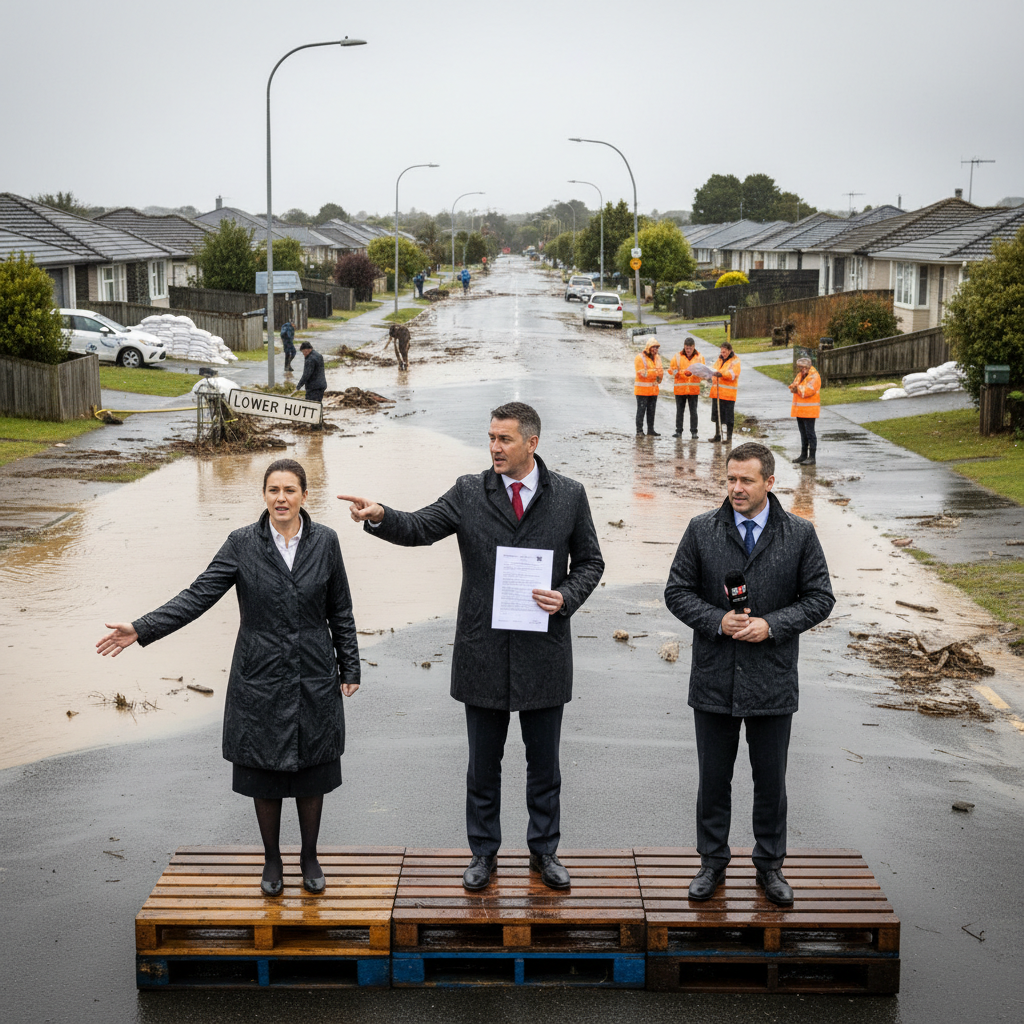
A political standoff is brewing over financial support for residents displaced and affected by the severe weather that swept across the Wellington region, causing widespread flooding and prompting a regional state of emergency. While the cleanup gets underway, some Wellington-based MPs are calling for the immediate release of government emergency funds, but local mayors and Civil Defence officials maintain the focus must remain on the immediate response and public safety.
The debate centres on Civil Defence Payments, a fund administered by Work and Income to assist those affected by an emergency. These payments can provide up to $400 for essentials like food and clothing, and a daily accommodation allowance of up to $203 for a single person. For the fund to be activated, a request must be made by the Wellington Civil Defence Emergency Management Group (WCDEMG), a collective that includes the region's mayors.
Wellington Central MP Tamatha Paul and Rongotai MP Julie Anne Genter have strongly advocated for the fund to be unlocked without delay, citing urgent communications from constituents who have suffered significant losses.
Ms Genter criticised what she described as an "alarming" lack of urgency from the Government. "The government doesn't appear to understand that there are people who have been flooded out of their homes who need help now," she said. "A week from now isn’t good enough.“ Labour's social development spokesperson, Willow-Jean Prime, added that her party supports the move, stating it would be "straightforward" for the current Government to provide such support to affected people and businesses.
Councils focus on immediate response
Despite the pressure from central government representatives, local leaders and emergency management officials are holding firm on their current priorities. A WCDEMG spokesperson, Dan Neely, confirmed no request for the funding has been made. "As is normal at this phase of the response, we have prioritised life and safety and councils across the region," he stated. Mr Neely added that councils had asked the group to consider the funding request "at the appropriate time in the response and recovery".
This is a simple request that we have urged the control room to press play on as we have been in touch with constituents who have lost everything who need urgent financial assistance.
This sentiment was echoed by local mayors. Hutt City mayor Ken Laban said his council was still actively responding to the emergency but confirmed the issue of funding could be revisited later. Wellington mayor Andrew Little relayed a similar message, while Porirua mayor Anita Baker noted the need in her area was not yet high enough to warrant the activation, having only learned of the potential funding on Tuesday.
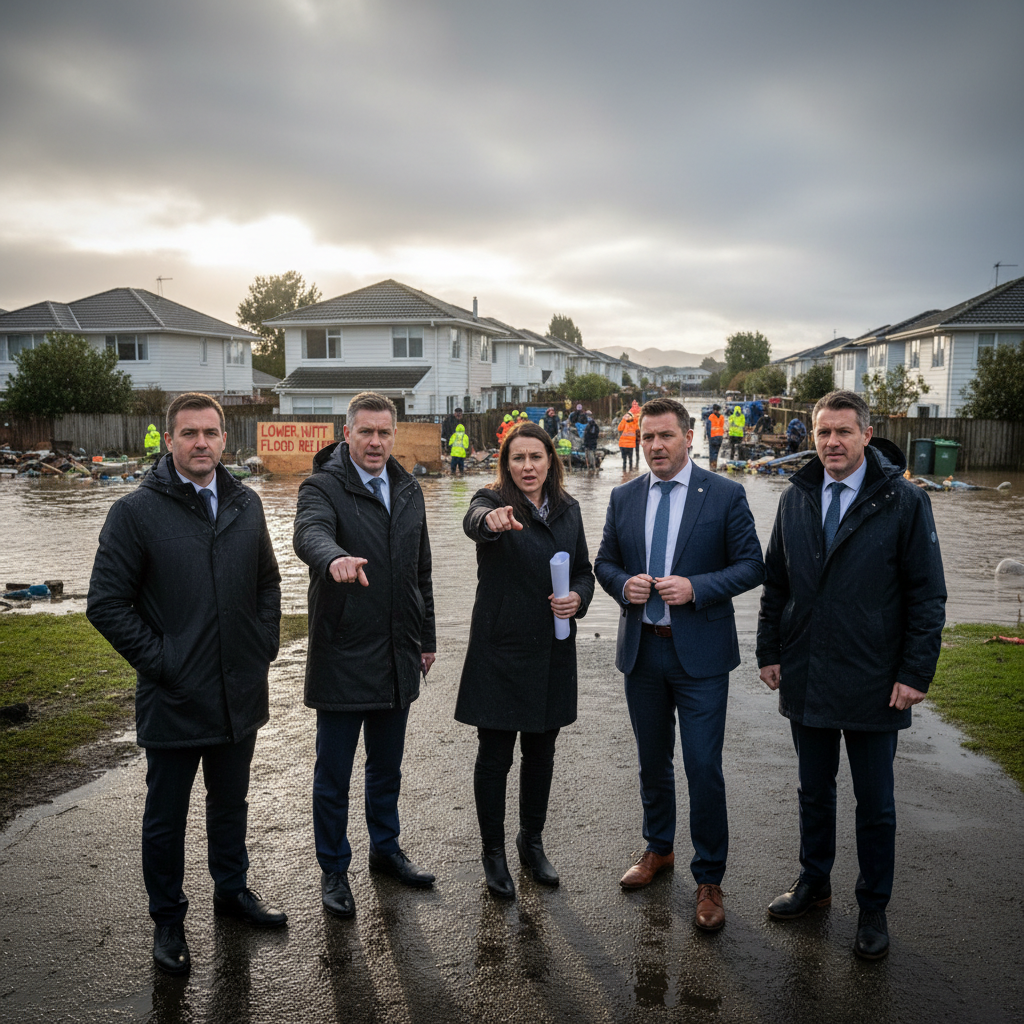
In Parliament, Social Development Minister Louise Upston responded to questions from Ms Genter by stating that the decision to activate the grants is a collaborative one made by the Ministry of Social Development, local Civil Defence, and community leaders.
Widespread disruption across the region
The political debate comes as the region grapples with the extensive impact of the torrential rain. A seven-day regional state of emergency was declared on Monday following severe flooding that inundated homes in Porirua, Island Bay, and parts of the Hutt Valley, including a recent deluge in Stokes Valley. In one harrowing incident in Wellington, an 87-year-old woman was forced to hide on top of her wardrobe to escape floodwaters that rose above head height inside her home. The storm has caused significant infrastructural damage, crippling transport networks. State Highway 2 over the Remutaka Hill is closed between Kaitoke and Featherston due to a washed-out bridge, severing the primary road link between the Hutt Valley and the Wairarapa. At Upper Hutt, slips have forced lane closures on Whitemans Valley Road and Wallaceville Hill Road, and the parking area under the Silverstream Bridge has been cordoned off due to safety concerns over high river levels. The widespread damage is a harsh reminder of the destruction seen in previous weather events, such as the devastating floods that have hit Wellington in the past, where Wellington reeled from destructive floods.
Tragically, the weather has also had a human cost. A search continues for Karori resident Philip Sutton, aged in his 60s, who was reported missing on Tuesday night in what police are treating as a weather-related event. The emergency has also disrupted daily life, with harbour ferries cancelled, most Wellington City Council facilities shut, and schools and workplaces forced to make alternative arrangements. Residents in affected areas like Wainuiomata have been left to deal with the aftermath and a long cleanup process.
Navigating the recovery process
As the rain eases and the full extent of the damage becomes clearer, the focus for many is shifting from immediate survival to long-term recovery. Clean-up efforts have begun in areas like Island Bay, with residents and business owners assessing the damage to their properties.
The dispute over the timing of financial aid highlights the tension between immediate, on-the-ground emergency response and the pressing financial needs of those whose lives have been upended. While MPs argue for immediate cash assistance to help people buy essential items, councils are stressing the importance of a measured approach that prioritises safety and a coordinated recovery effort.
For now, residents are being advised to stay away from floodwaters, avoid attempting to clear slips themselves, and report any hazards to their local council. The question of when and how financial aid will be distributed remains unresolved, with Mayor Ken Laban and his regional counterparts indicating the conversation will happen, but only once the immediate danger has passed.